| Most viewed - Weeds, Pests & Diseases |
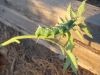
Tomato Hornworm591 views (Photo Credit: D. Cleverdon 09-24-2010)
|
|

Late Blight (Phytophthora infestans)523 viewsLate Blight (Phytophthora infestans) is a spore borne disease which can devastate plants. The spores thrive in a cool, moist environment. (Photo Credit: D. Cleverdon 7/9/2011)
|
|

Green Keeled Tree Hopper (Antianthe expansa)520 viewsIt is obvious where the Green Keeled Tree Hopper gets its name. The little horned critters around it are the nymphs. (Photo Credit: D. Cleverdon 8/7/2010)
|
|

Green Keeled Tree Hopper Nymph (Antianthe expansa)480 viewsNymph stage of the Keeled Tree Hopper (Antianthe expansa). Hoppers penetrate the cell walls of the stems and suck out the fluids. (Photo Credit: D. Cleverdon 9/24/2010)
|
|
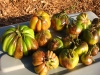
Late Blight (Phytophthora infestans)474 viewsTomato fruits infected with Late Blight.
Dark oily discoloration. Throw them in the trash; do not compost as the spores will not be killed (Photo Credit: D. Cleverdon (photo taken 9/2/2011))
|
|
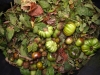
Bag of Blight467 viewsTrash bag full of leaves, stems and tomato fruit infected with Late Blight
(Phytophthora infestans) (Photo Credit: D. Cleverdon 07/20/2013)
|
|

False Garlic, Nutgrass, Devil Weed465 viewsNutgrass and False Garlic (upper & lower left) should never be put in the compost pile because it cannot be killed by the heat. (Photo Credit: D. Cleverdon 03/04/2012)
|
|
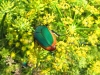
Green Fruit Beetle (Cotinis mutabilis)459 viewsSometimes confused with the Japanese beetle (Popillia japonica). The fat, white grubs you see in the dirt are their larvae. (Photo Credit: D. Cleverdon 7/16/2016)
|
|
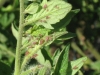
Red Aphids & White Nymphs453 viewsAphids attack weak plants. If a plant is healthy and has a strong vascular system the aphids have difficulty penetrating the cell walls. (Photo Credit: D. Cleverdon (photo taken 8/20/2011))
|
|

Root-Knot Nematode Galls453 viewsTomato plant roots with root-knot nematode galls. Microscopic worms penetrate the roots and lay their eggs blocking water & mineral uptake. (Photo Credit: D. Cleverdon 9/19/2010)
|
|
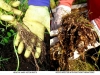
Hairy Vetch infected with Root-Knot Nematodes450 viewsHealthy roots are on the left, infected roots are on the right. Very hard to get rid of when they have invaded your soil. (Photo Credit: D. Cleverdon 4/3/2011 (left) & 3/29/2014 (right))
|
|

Tomato Hornworm447 views (Photo Credit: D. Cleverdon 09-24-2010)
|
|
|
|


